Athlete. Provider. Movement Partner.
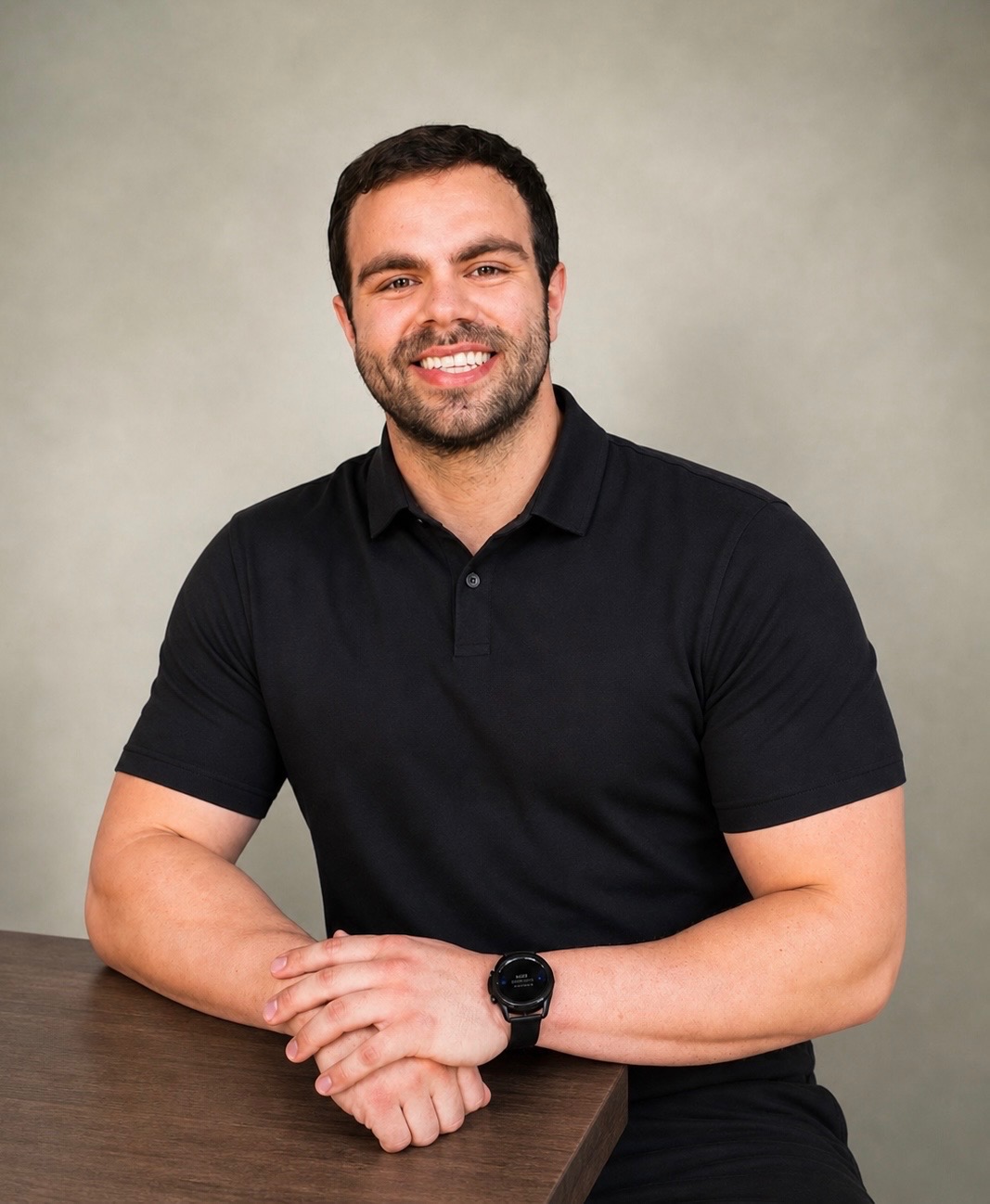
Hi, I’m Johnny, though most people know me as Scrawny Johnny.
I’ve been moving for as long as I can remember. I grew up on the soccer field before transitioning into competitive swimming and water polo through high school and junior college. When that chapter came to an end, my relationship with movement didn’t. I developed a deeper and more intentional interest in strength, conditioning, fitness, and overall health—both inside and outside of the gym.
During college, I worked at a supplement shop inside a gym, where training, nutrition, and community became part of my everyday environment. That experience helped shape the way I approach health today: not simply as an idea, but as something we practice through the way we live and move.
Academically, I studied Kinesiology at Mt. San Antonio College and Speech-Language Pathology at Cal State San Marcos. Those two areas reflected interests that would eventually become closely connected in my work: how our bodies move and how people access communication and connection.
In 2020, I came under the mentorship of Dawnmarie Gaivin, founder of the Speller’s Method. I spent nearly five years as a spelling provider at Spellers Center San Diego, supporting nonspeaking individuals in accessing reliable communication.
While I am not currently offering spelling services, that experience continues to shape the way I coach. I support spellers, families, and spelling providers through motor coaching that respects communication access, autonomy, and the presumption of competence. Today, I bring those worlds together through Get Scrawny.
My work focuses on intentional movement, motor planning, physical coaching, and building stronger movement patterns around each athlete’s individual goals. Whether we’re working on initiating a movement, building strength, coordinating multiple steps, or simply finding a more accessible way to participate, the goal is the same: Give the athlete greater access to their own body, movement, and independence.